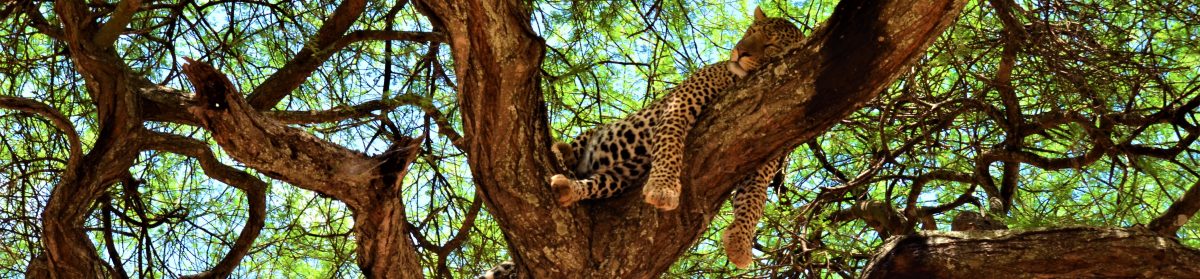
Ngorongoro (the ‘N’ is silent) – crater in Swahili
We left Swala camp early in the AM after breakfast. Took us an hour to get to the airstrip, and another hour of waiting at the airstrip to get on a flight to Manyara airstrip 15 minutes away. Slow season meant we were the only passengers on the 12-passenger flight. It was like flying on our own private jet.
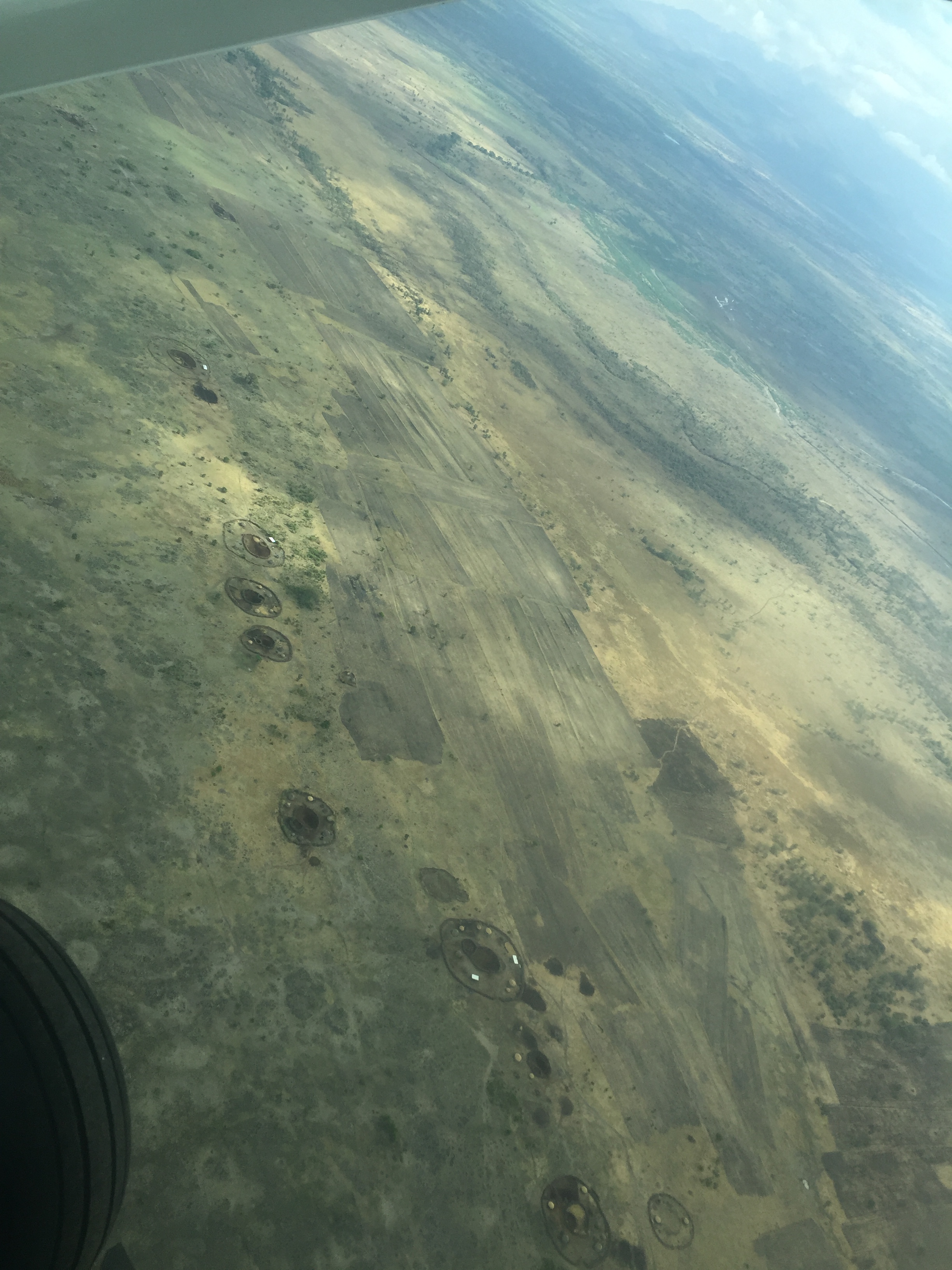
During our flights within Tanzania, we noticed interesting patterns on the ground. There are homes within circles, and circles within circles sometimes with livestock in them. We later learned that these are Masaai homes. Each circle may belong to a wife of a Masaai man, who can have up to 50-75 wives at a time. The richer the man, the more wives he has.
We were met up by Joseph, our guide for the next 2 days. Unlike all our other guides, Joseph was quiet and not quite as engaging, which made our stop at Ngorongoro less exciting. He was, as I jokingly called him, Tony 2.0 because he kept pointing out birds like our guide Tony back at Chobe.
We were driven to Lake Manyara Park before check in. I was surprised we were going to Lake Manyara as I didn’t recall it being on our itinerary (it was).
Lake Manyara was underwhelming. It’s great for someone who’s never been on a safari, but for those who’ve seen quite a bit it was ‘blah’.
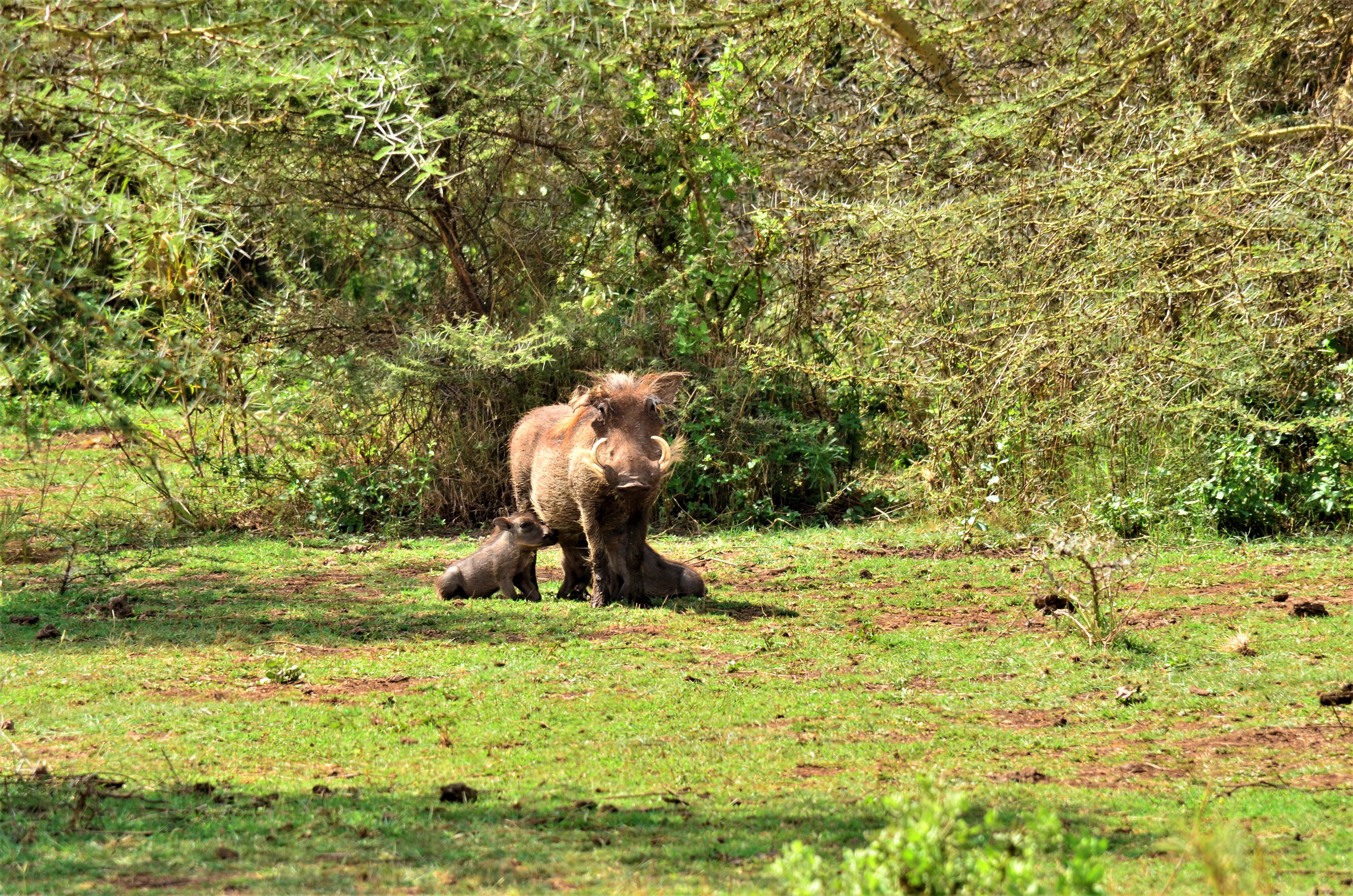
But I did get to see tiny warthog babies.
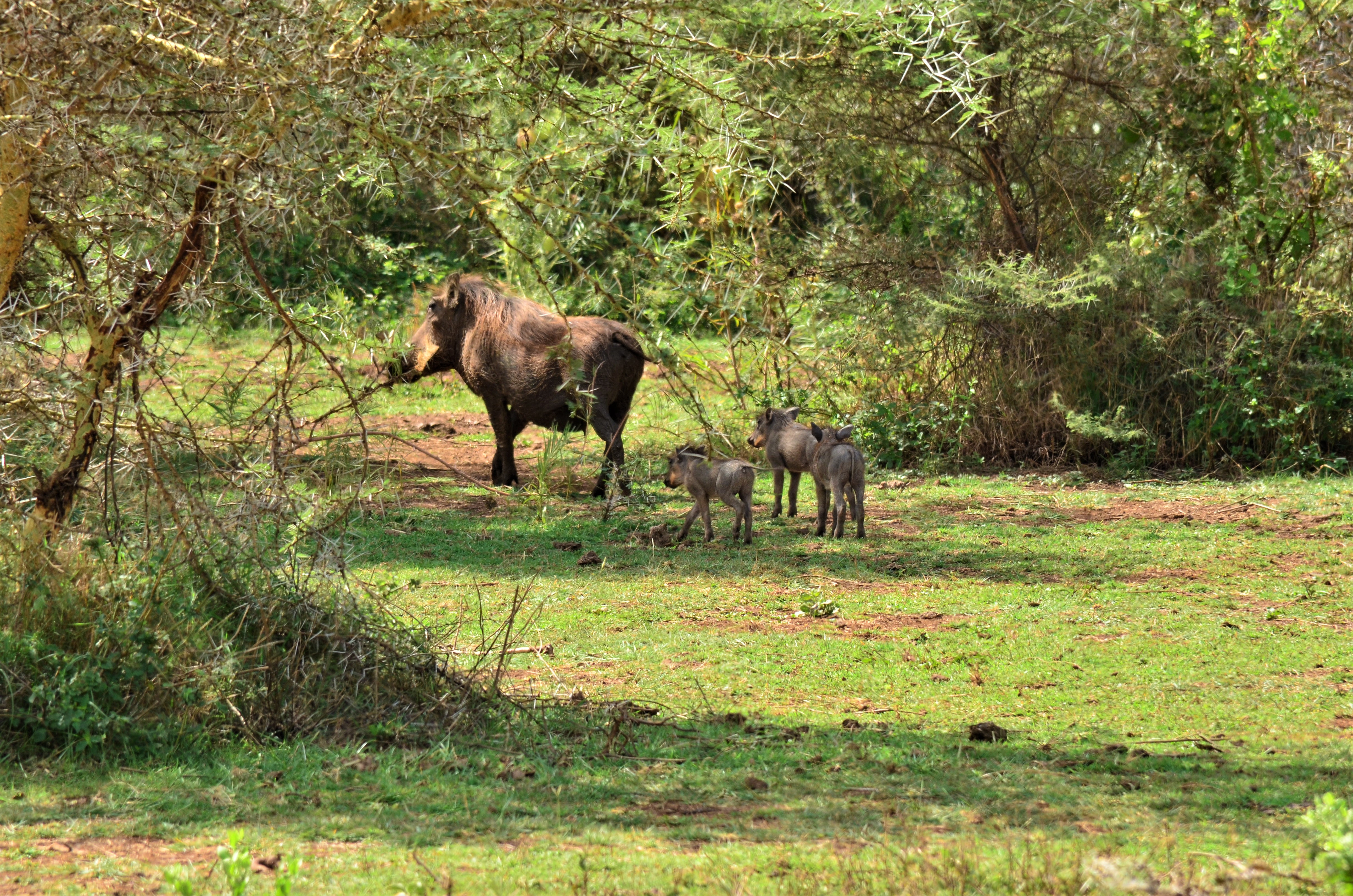
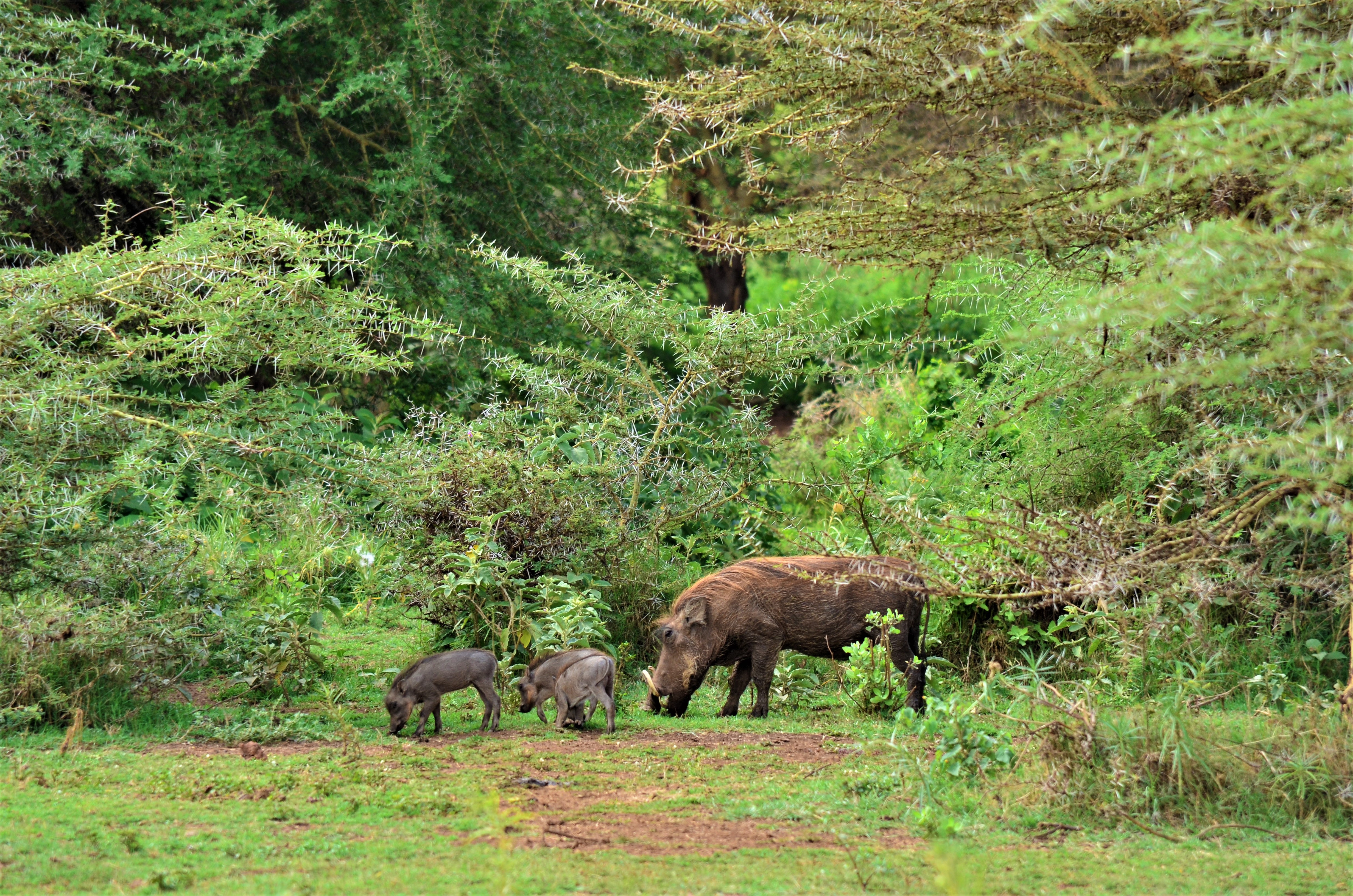
And other babies…
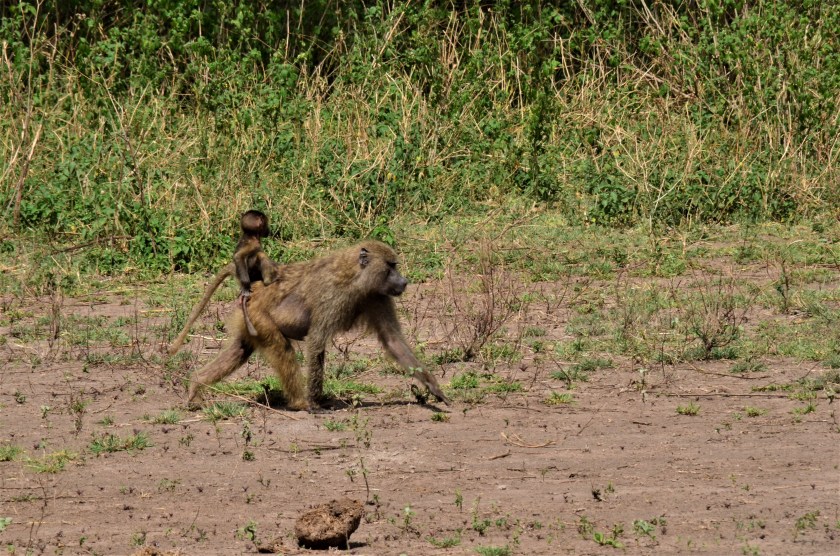
Baboon
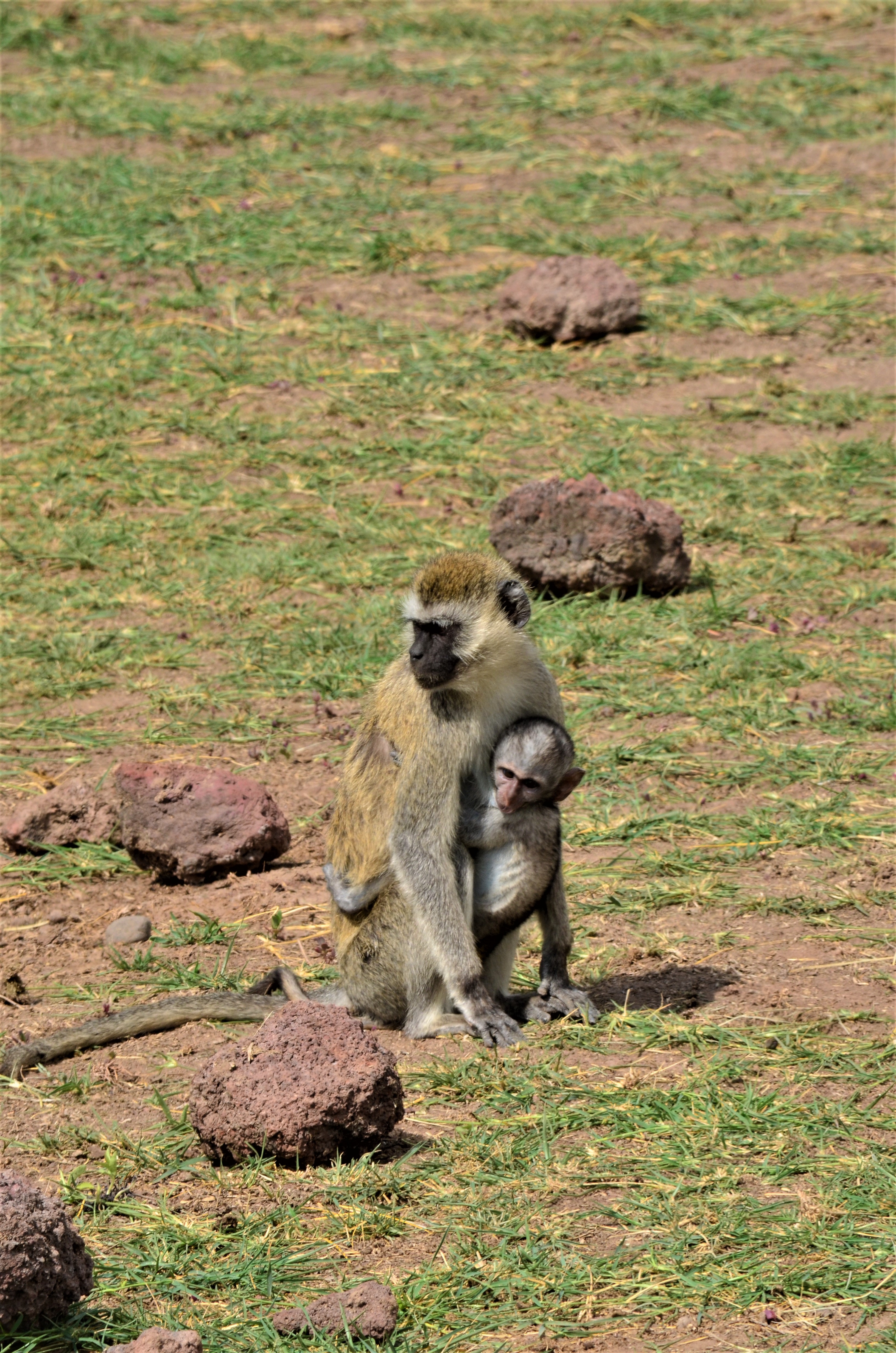
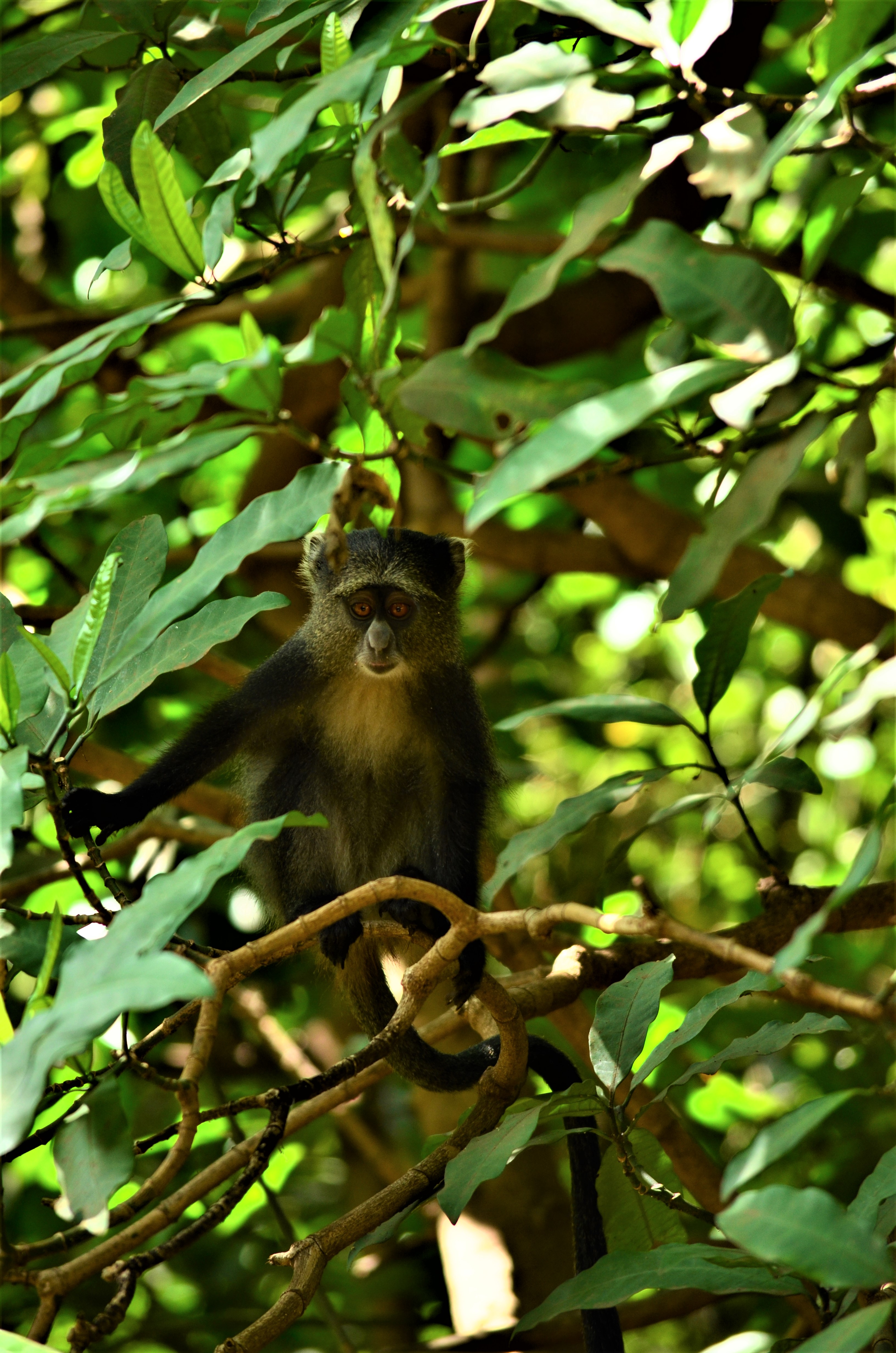
Vervet monkey
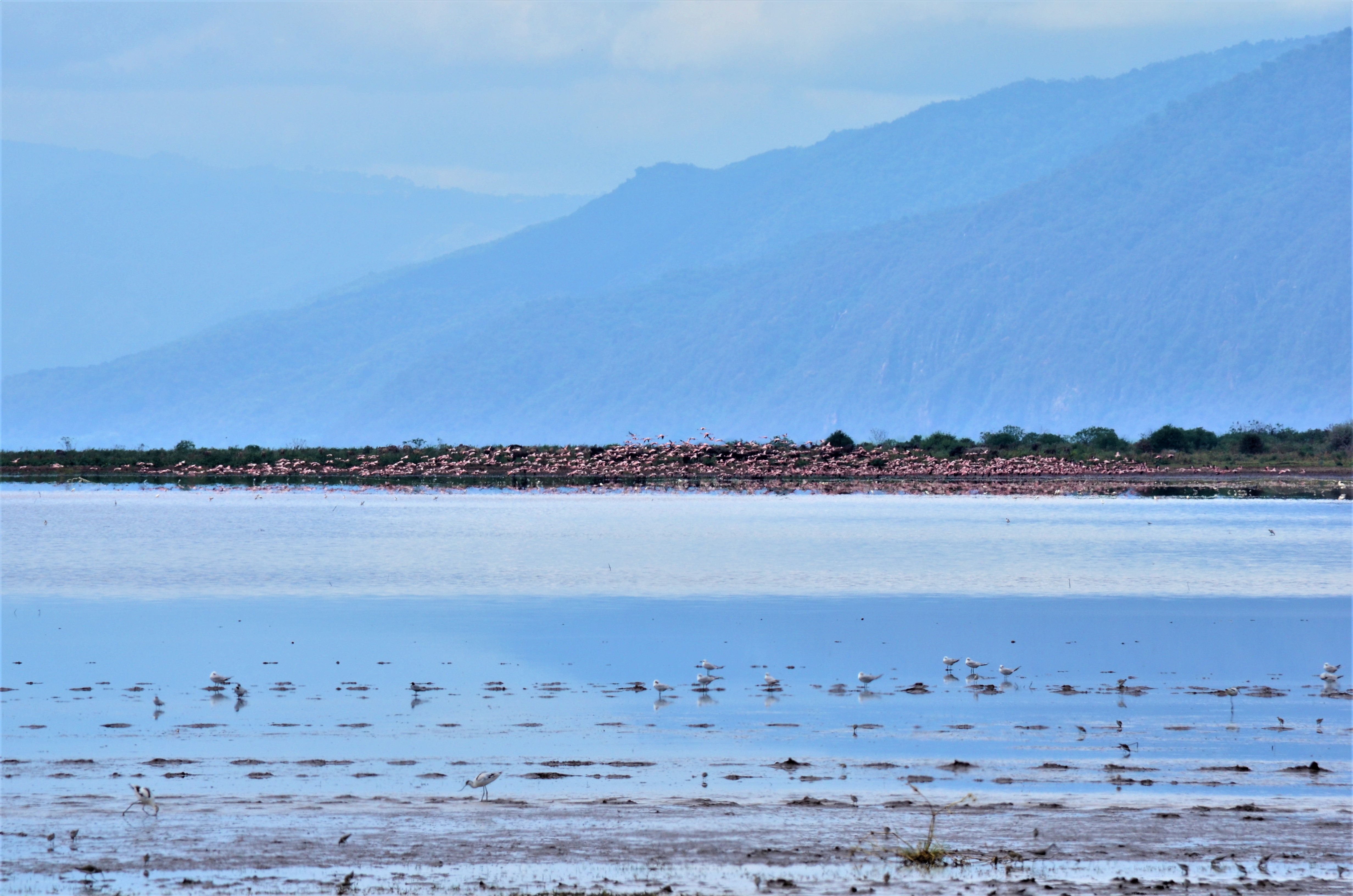
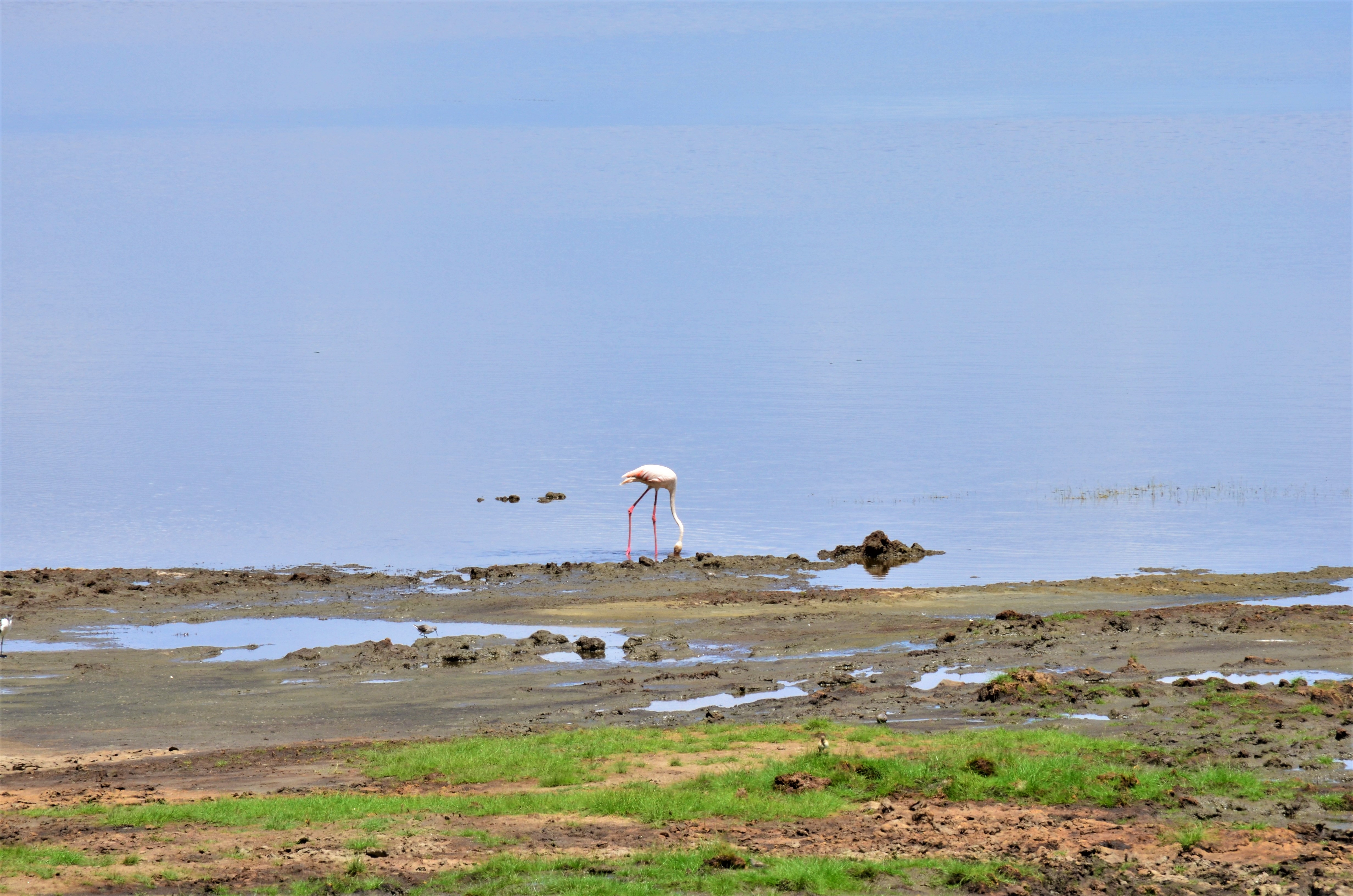
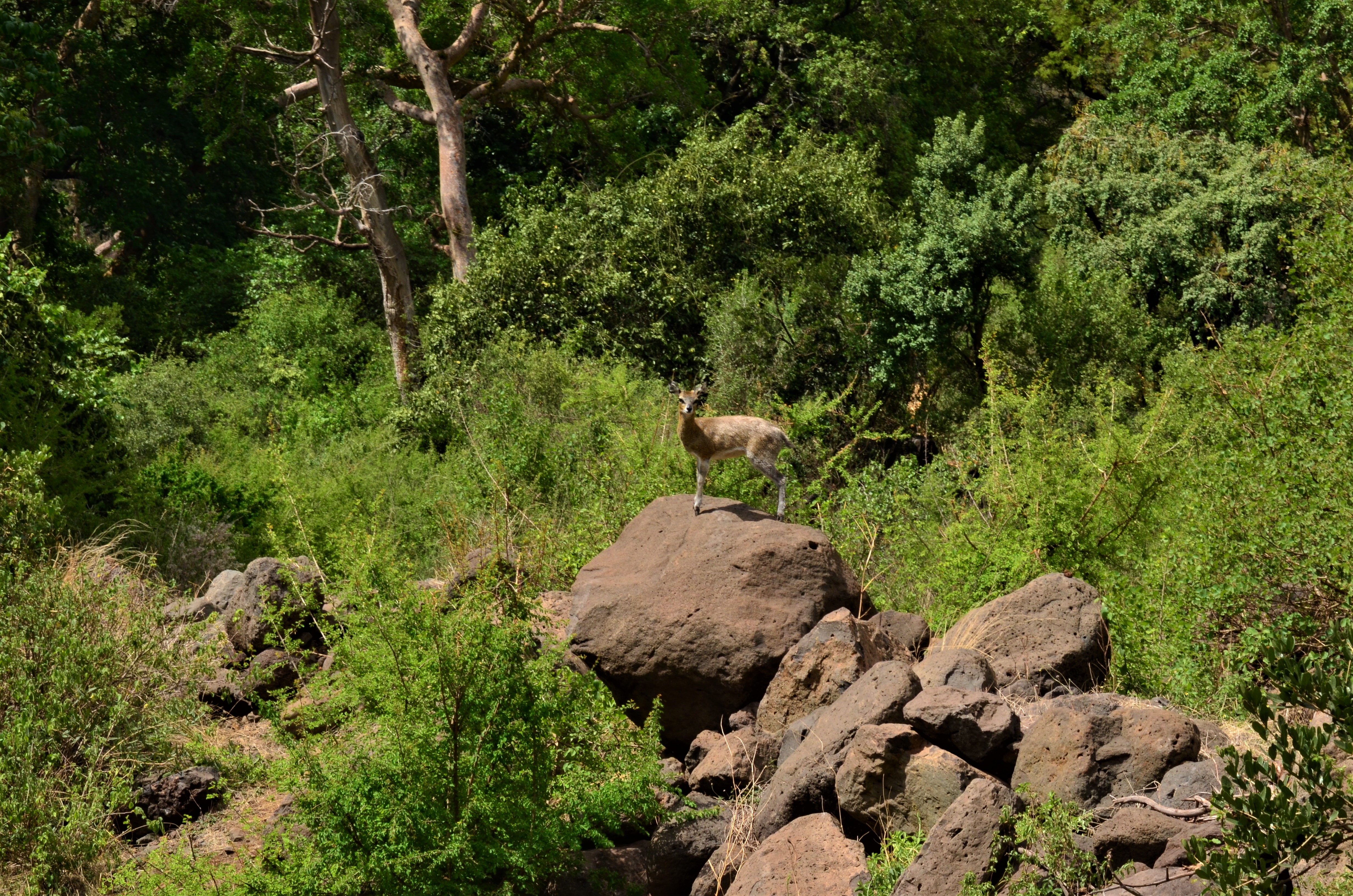
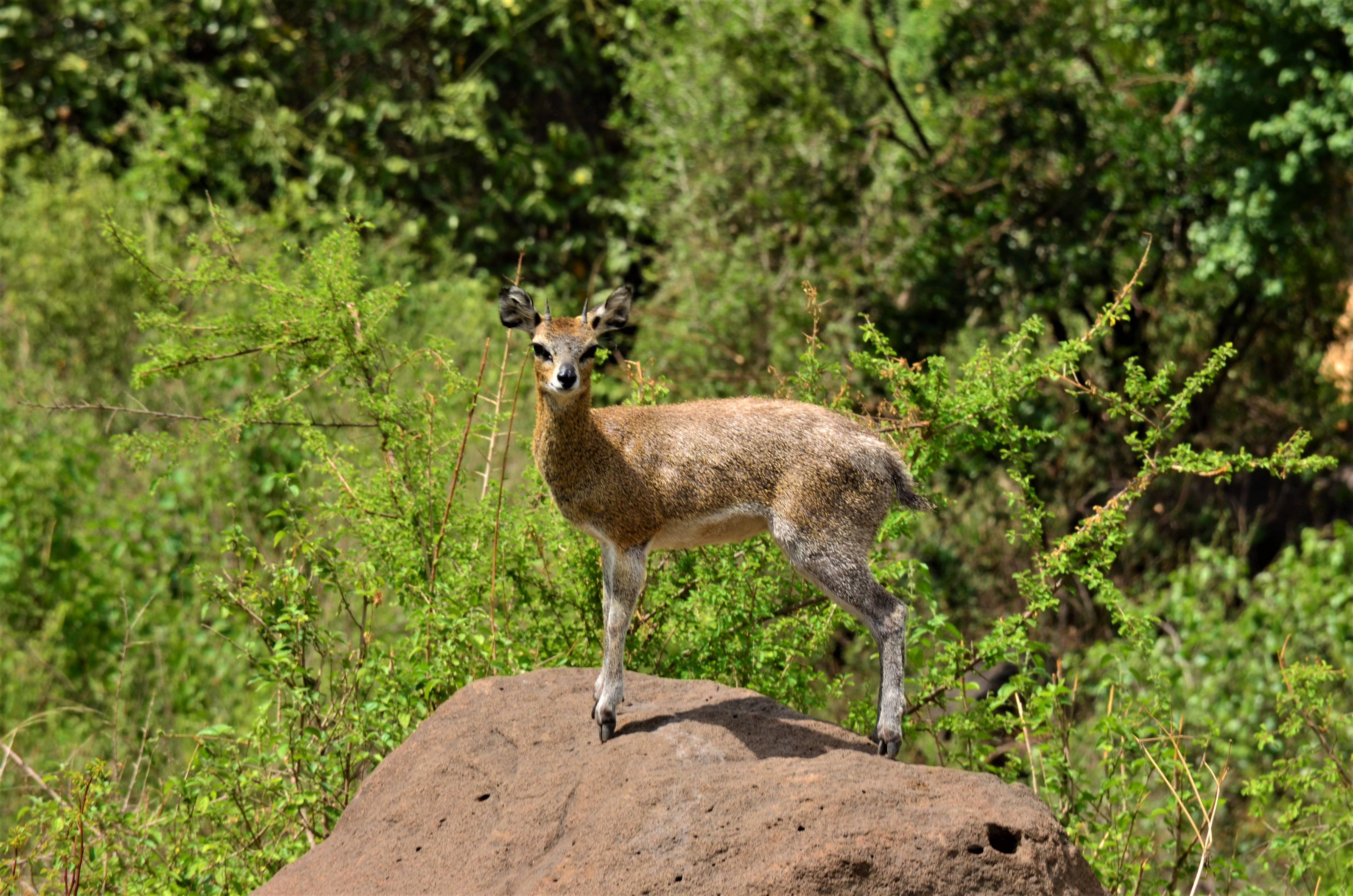
There were 3 new things we saw in the park.
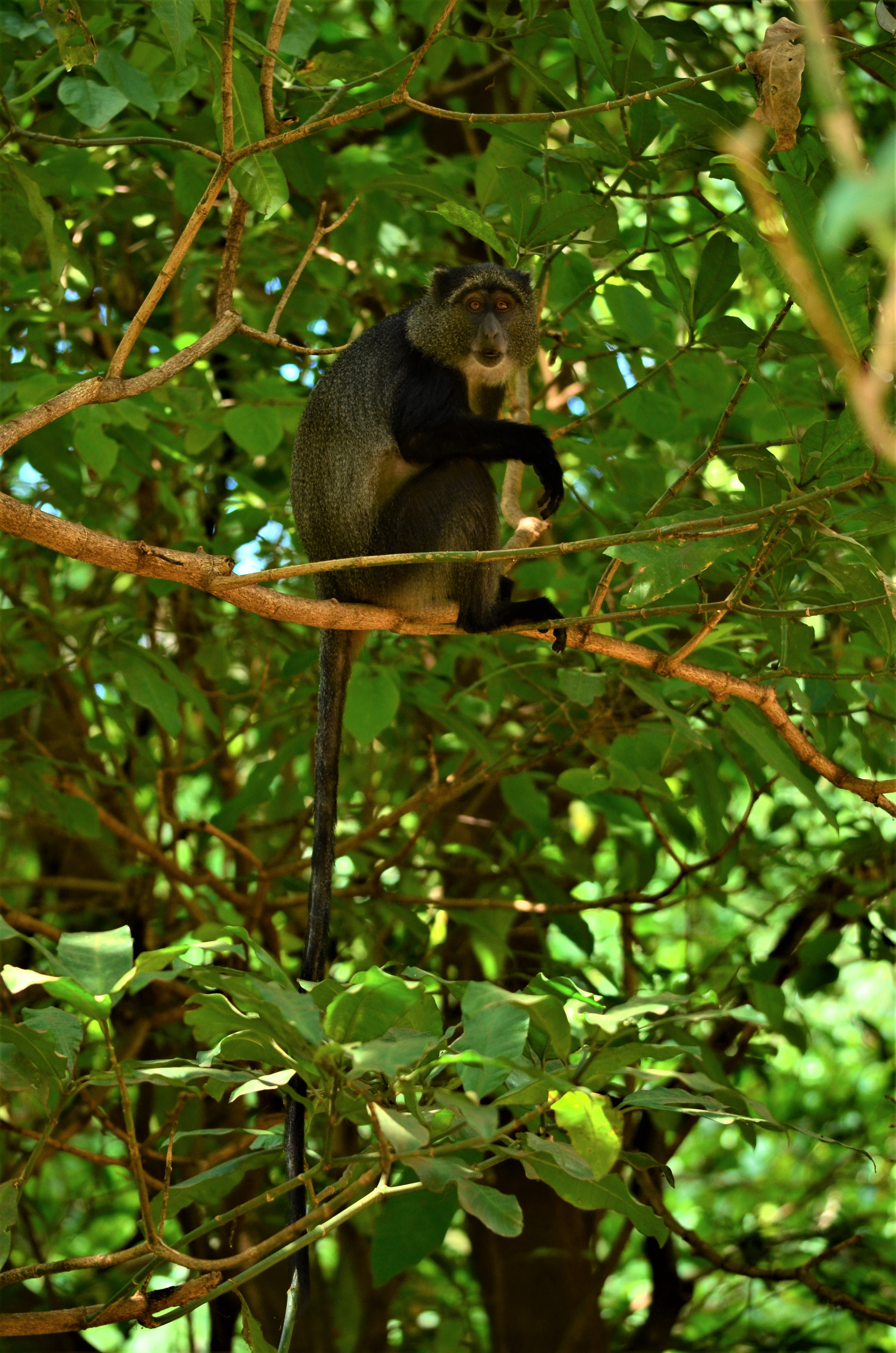
After lunch (yummy chicken chapati wrap) and a fall for me (after tripping on uneven steps) we headed to the crater, an hour and a half away.
The roads were paved between Lake Manyara and Ngorongoro. We passed by a few towns en route to Ngorongoro, and it reminded me of Taiwan 30-40 years ago. One thing I have to say about Tanzania is that their bathrooms are clean. You’ll often see attendants constantly mopping and wiping, keeping them cleaner than the bathrooms we’ve encountered in major cities in China. All I have to say is that it takes desperation, courage, and a strong stomach to use the bathrooms in China.
Once we got to the crater, it was bumpy dirt road again.
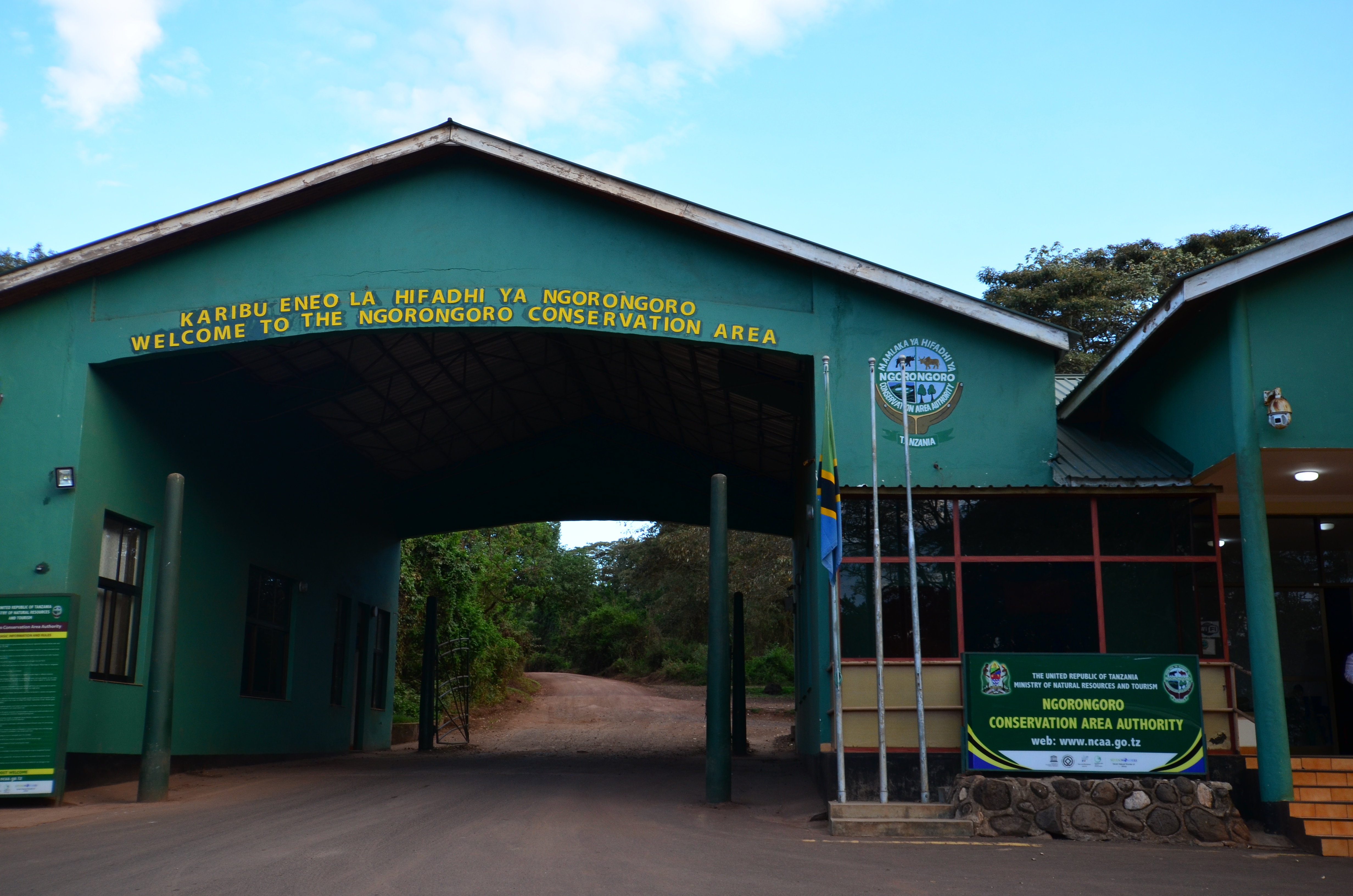
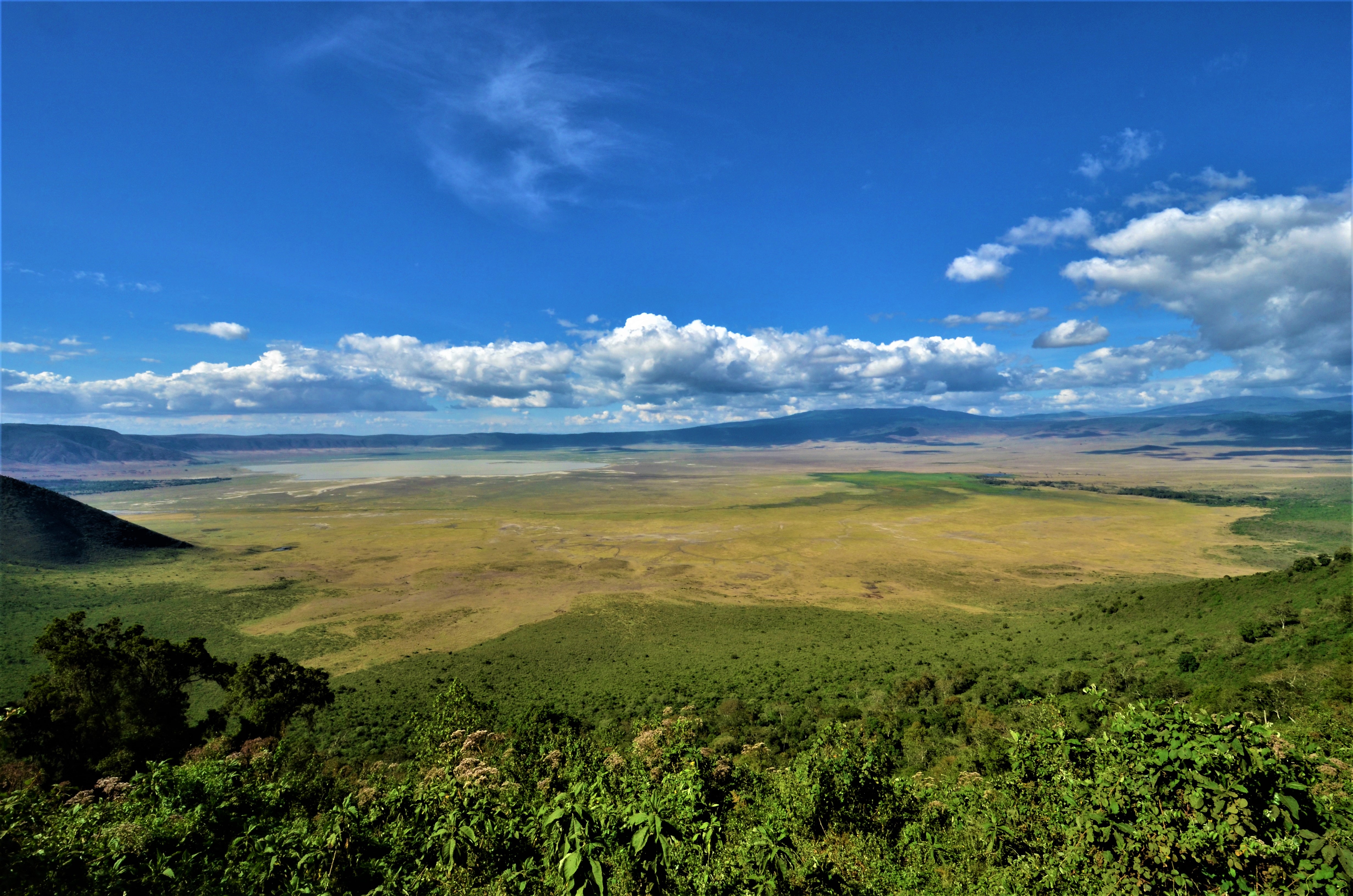
Ngorongoro is the world’s largest inactive, intact and unfilled volcanic caldera with 30,000 animals. Most are residents, but some migrate in and out of the crater. It is also a world heritage site like the Bwindi Impenetrable National Park.
Sanctuary Ngorongoro Camp is situated on the rim of the crater. Due to its high elevation the camp was relatively cold. The camp has 10 tents with a reception/bar and dining area in the center, and had just been renovated the week before we arrived. Wifi is only available in the dining area.
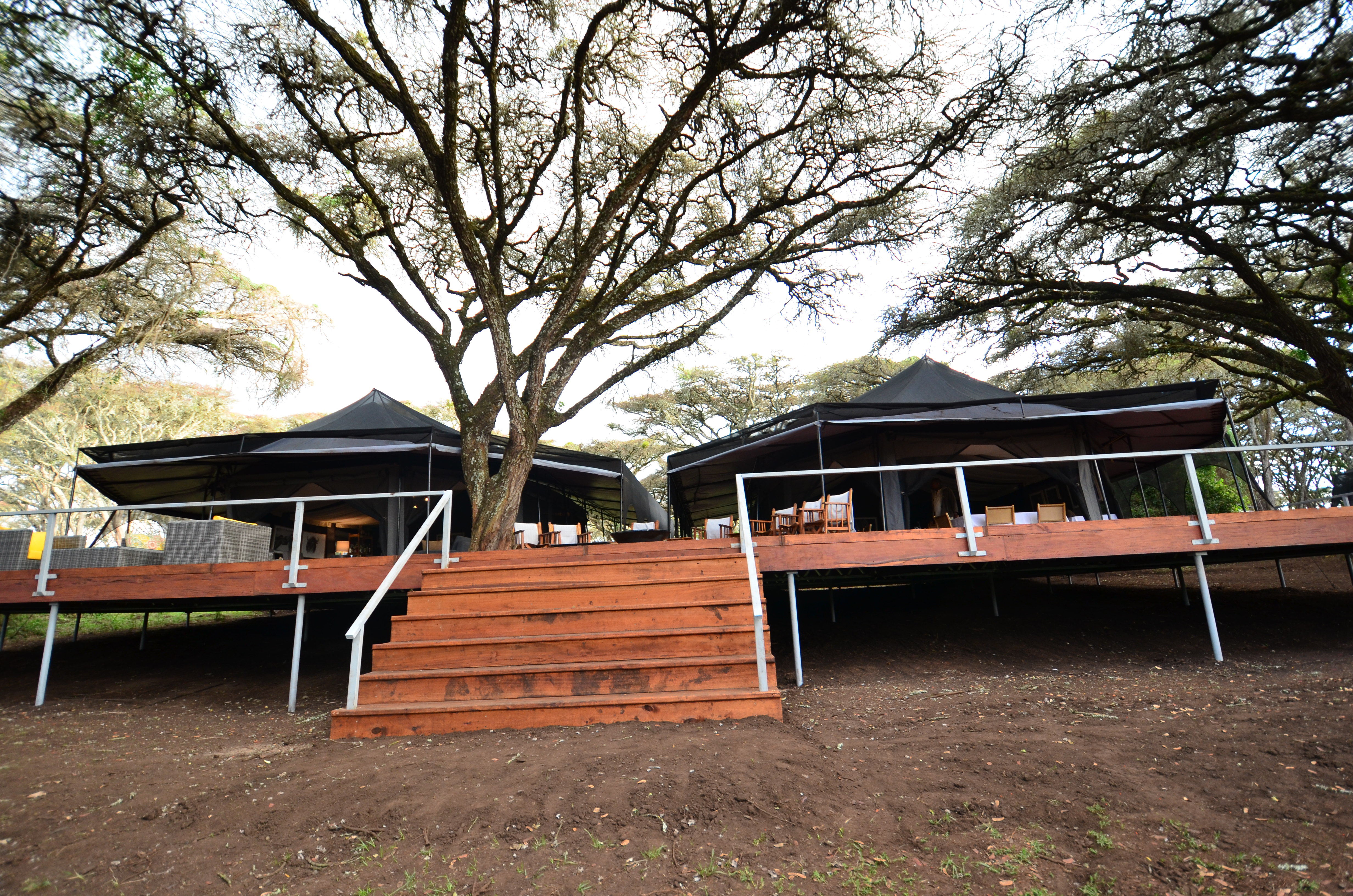
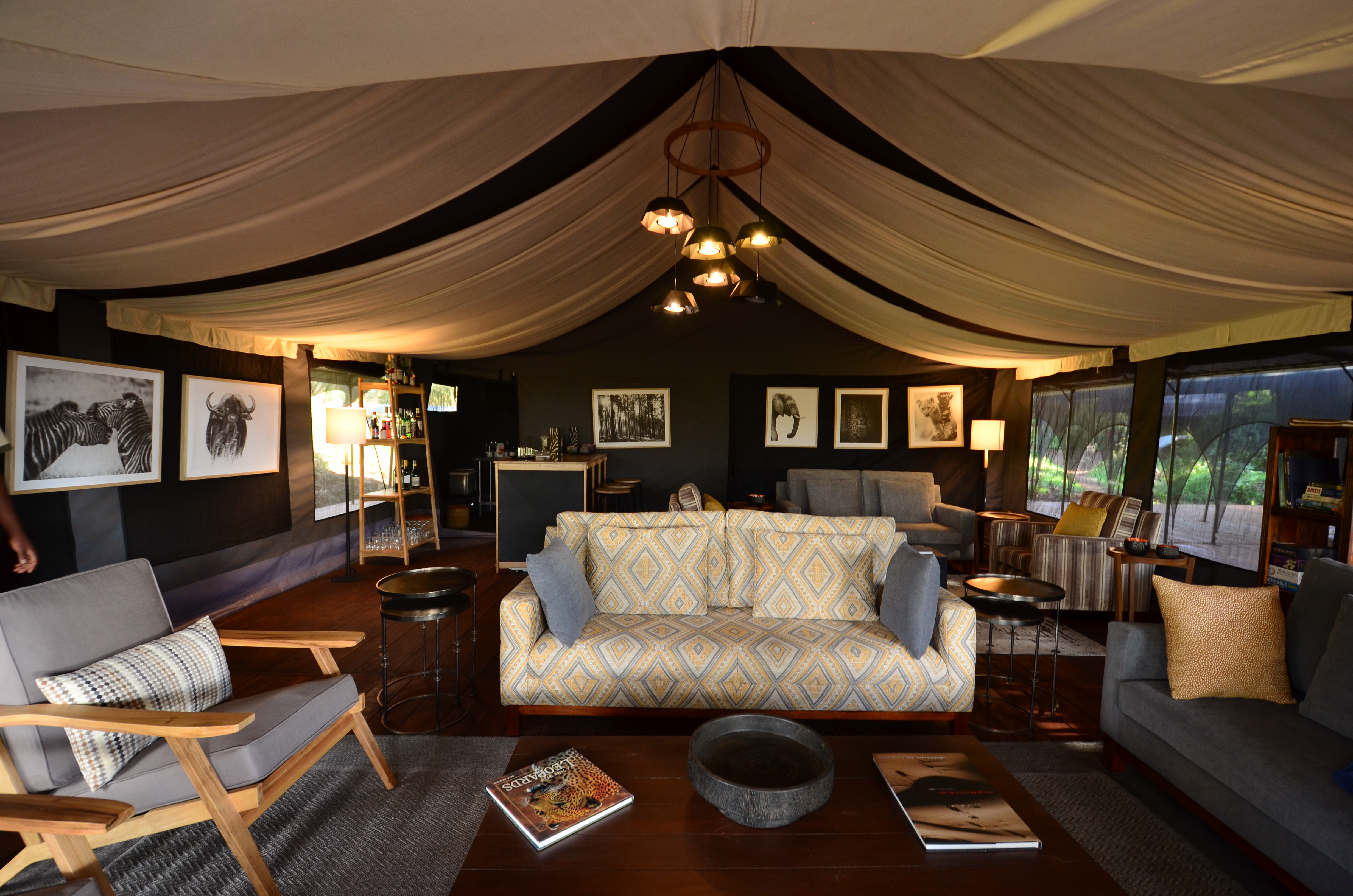
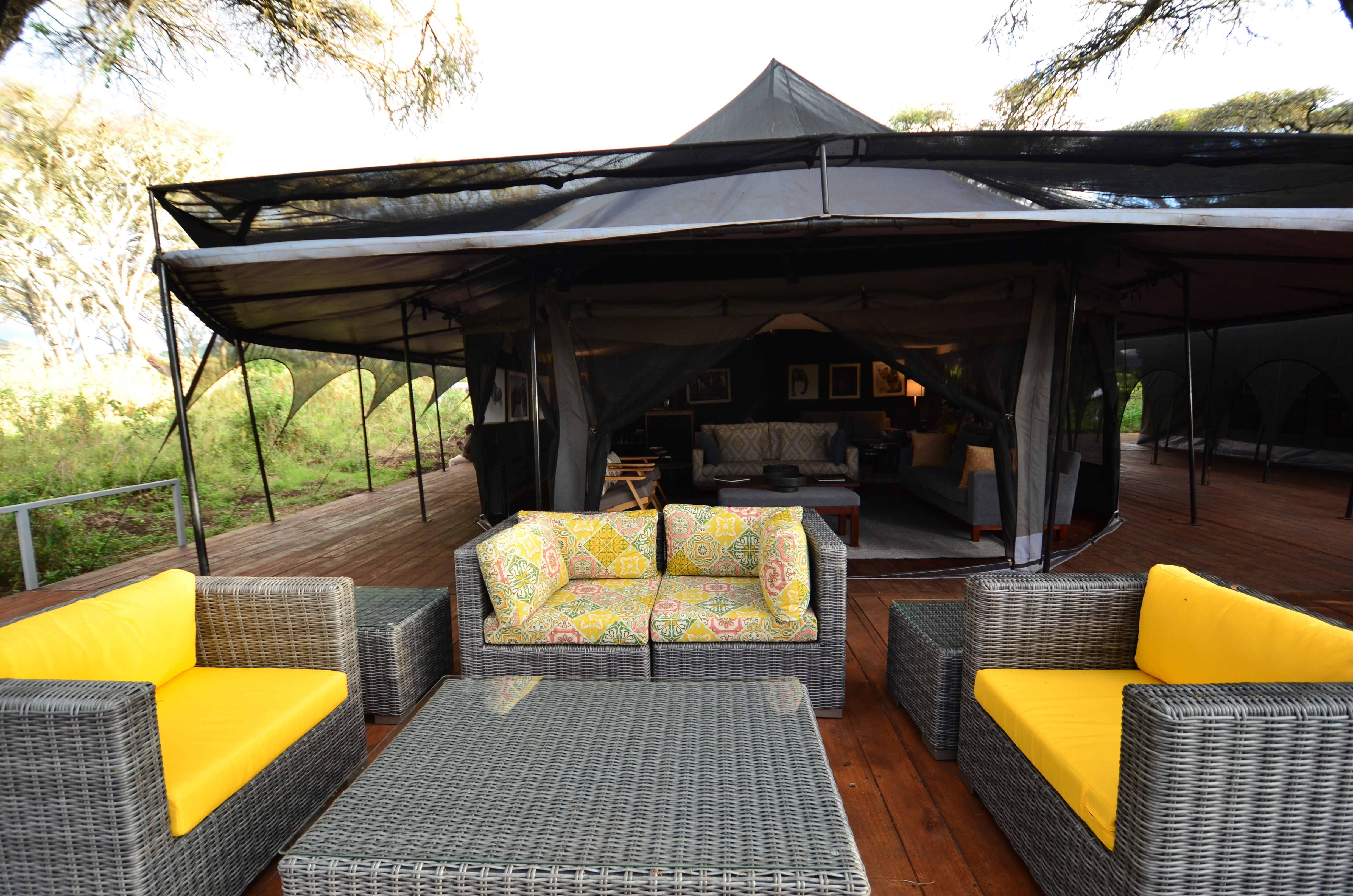
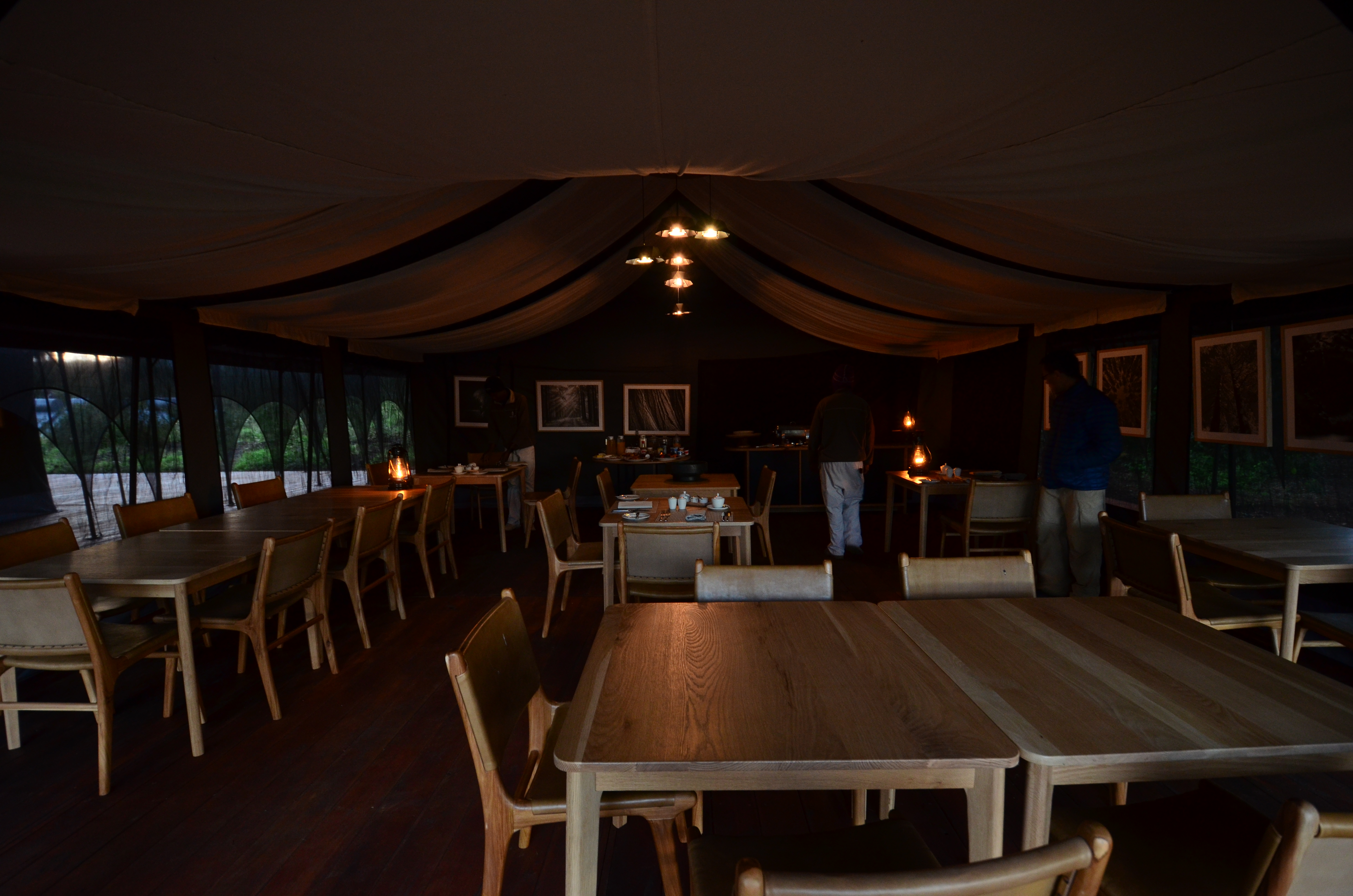
Dining area
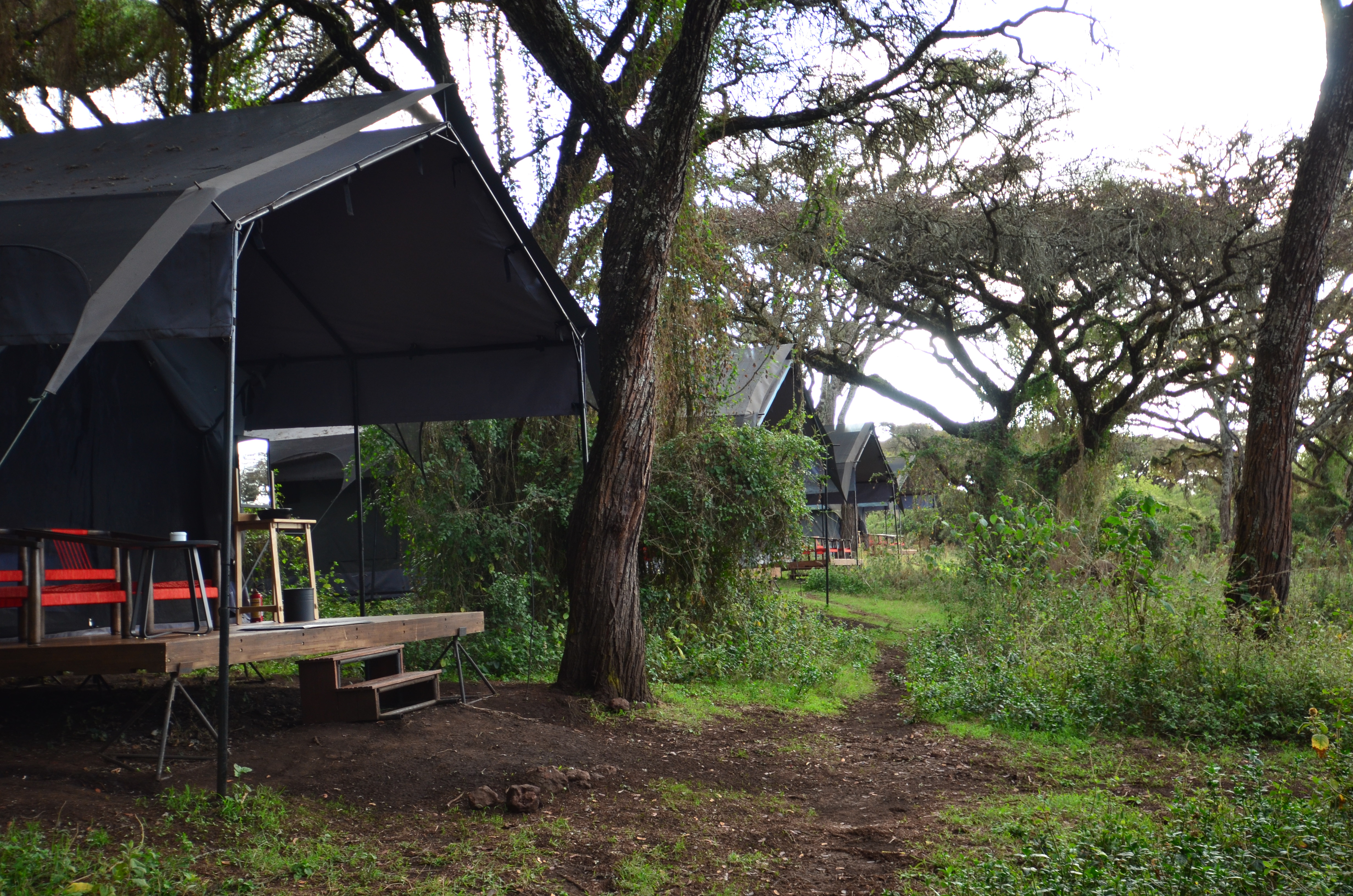
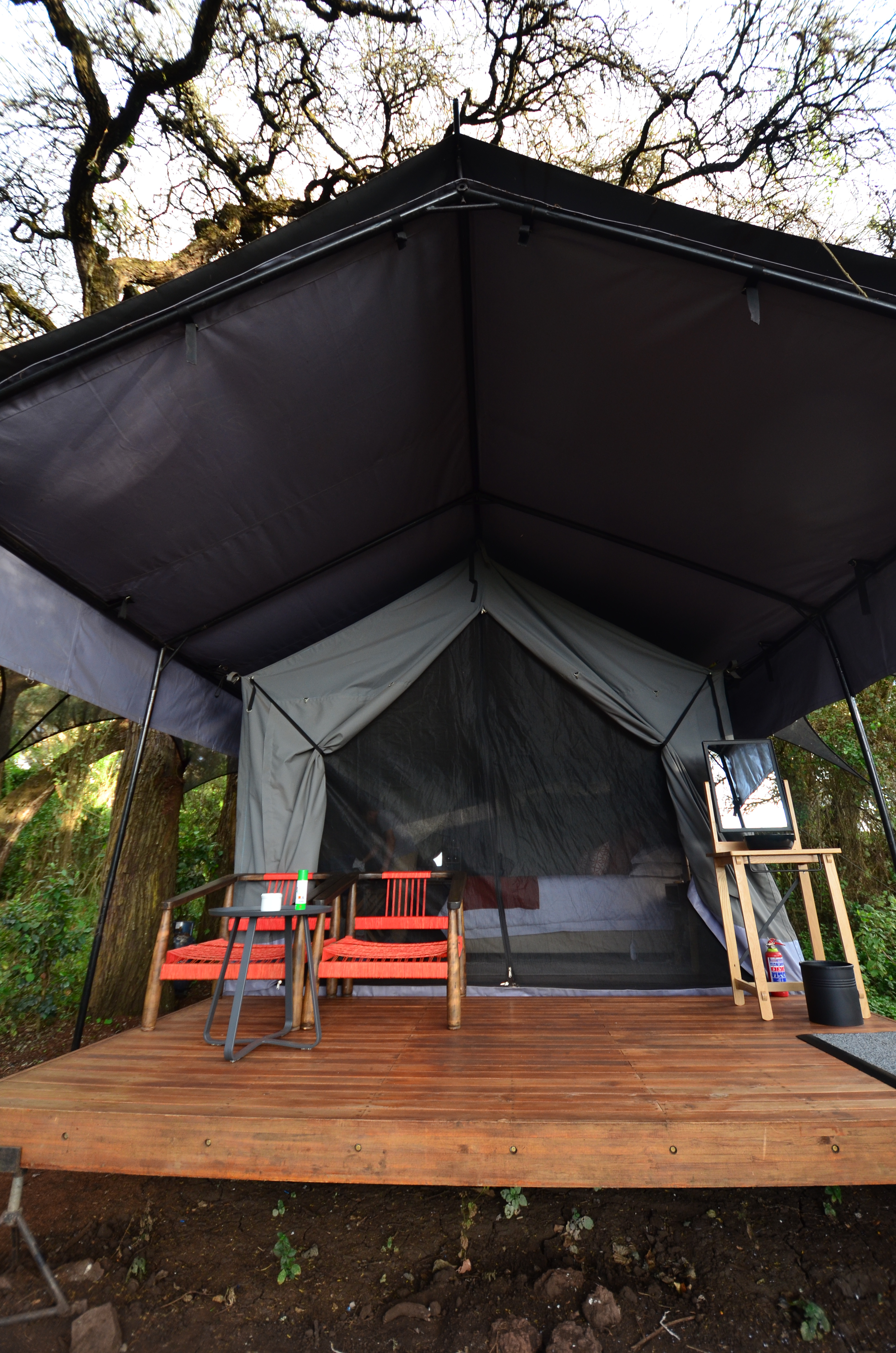
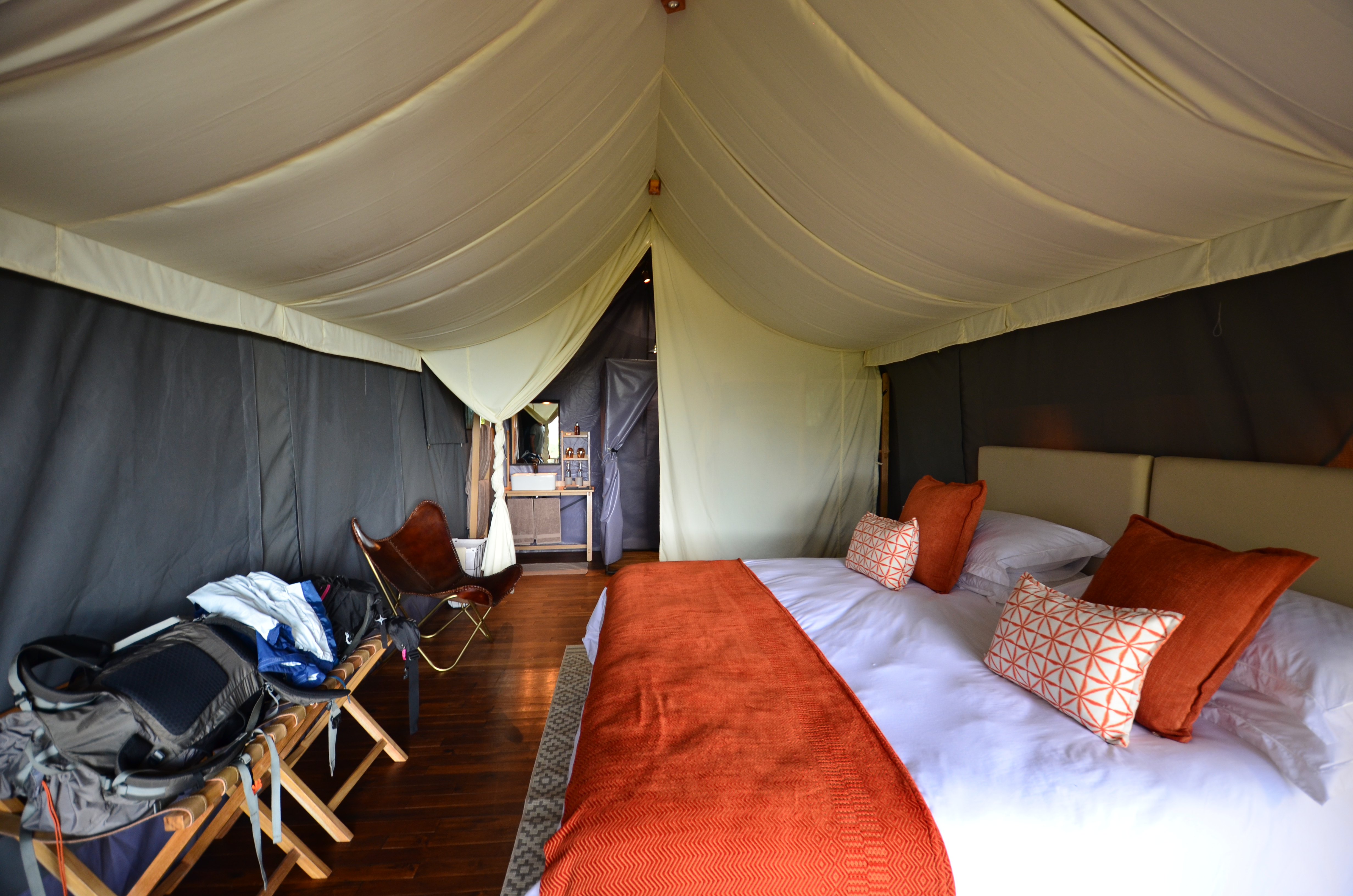
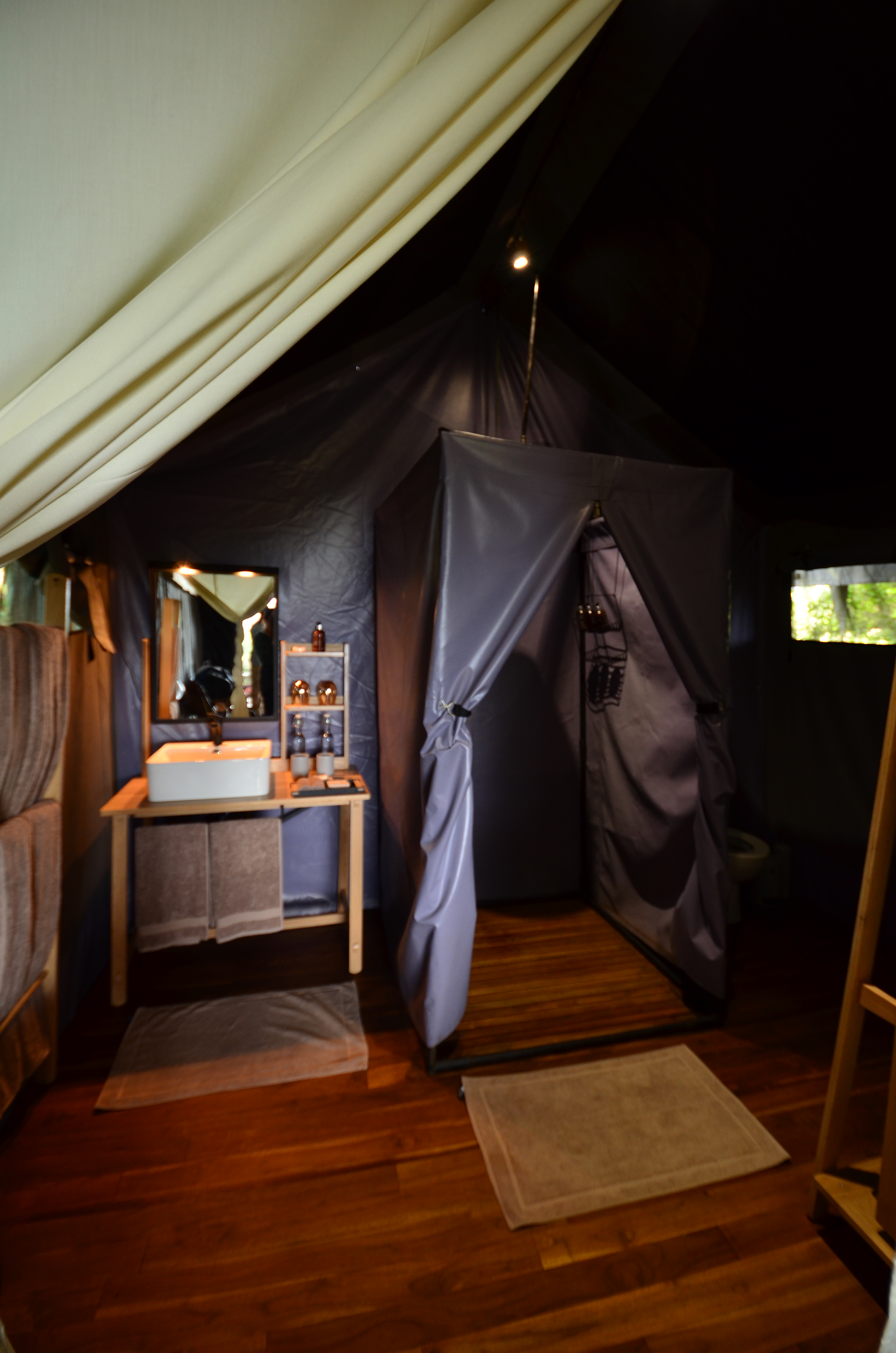
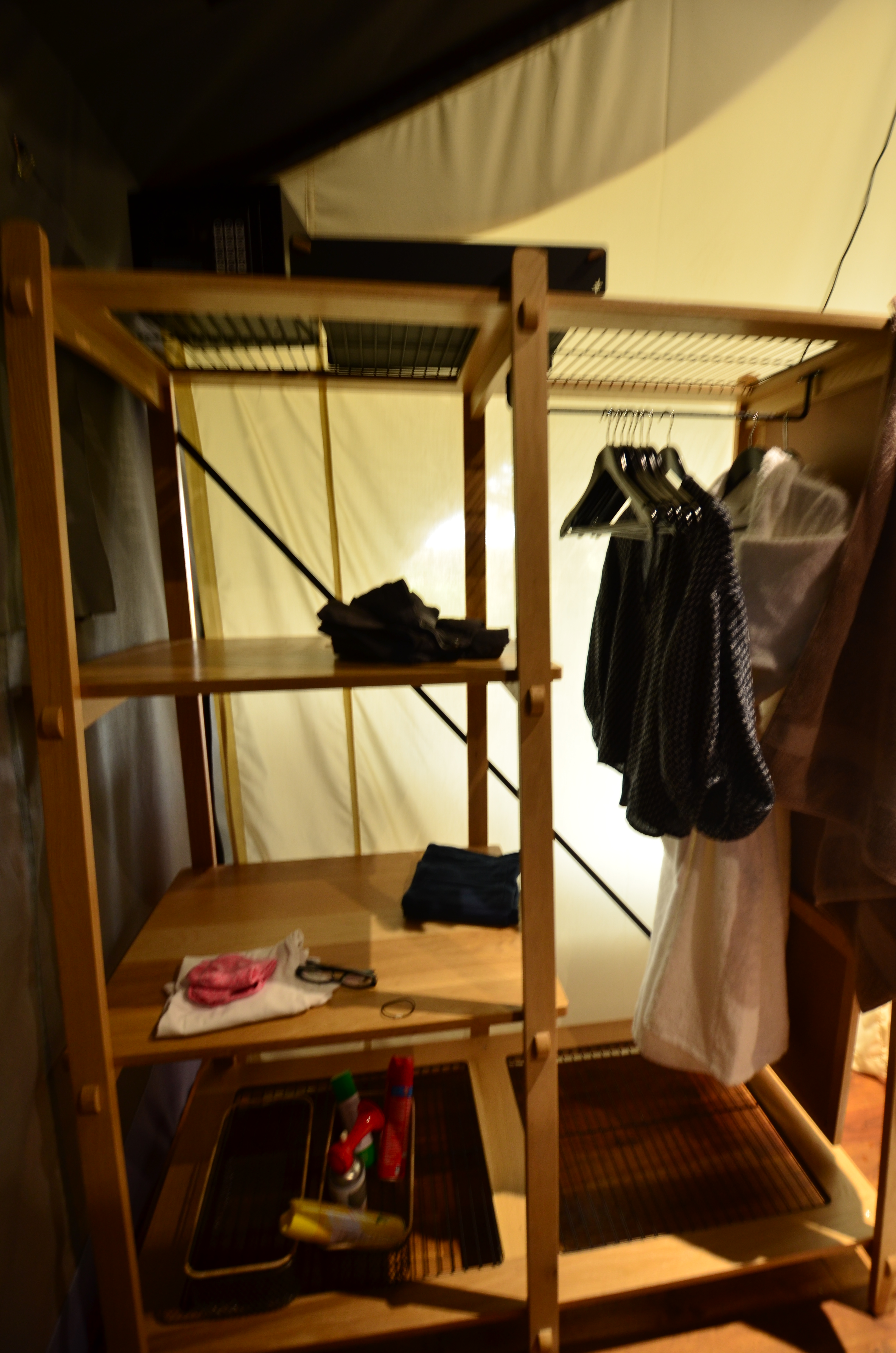
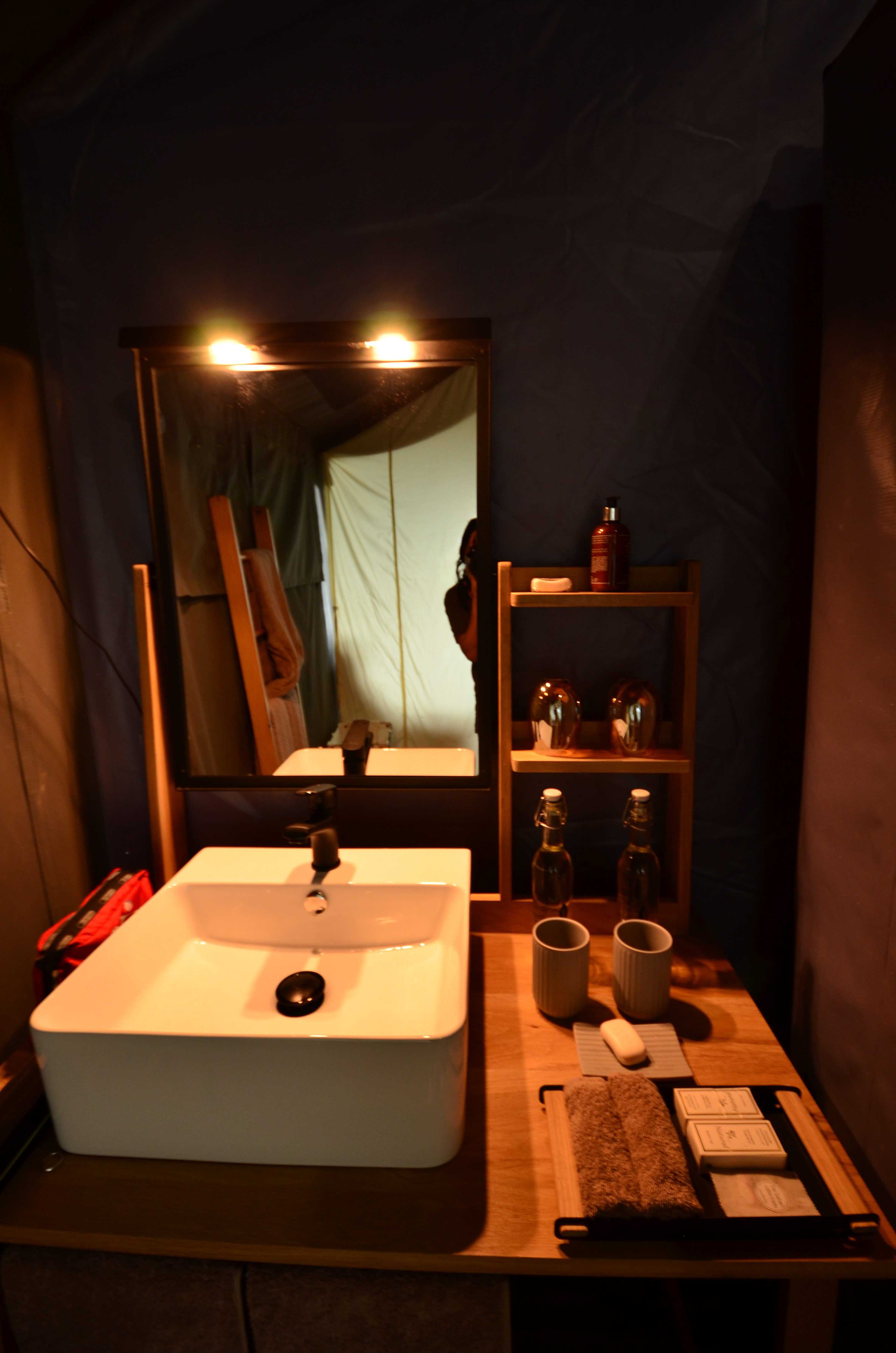
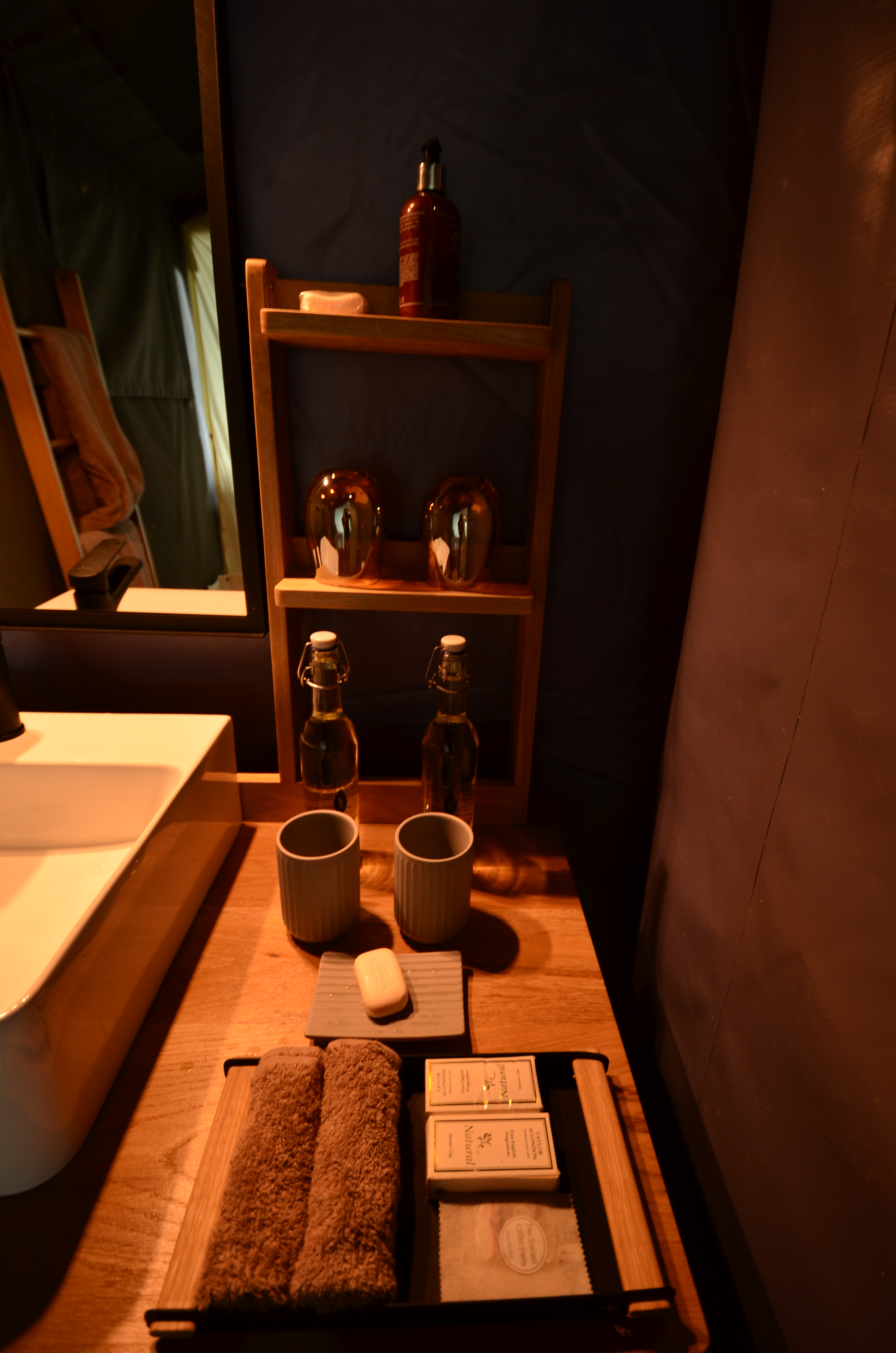
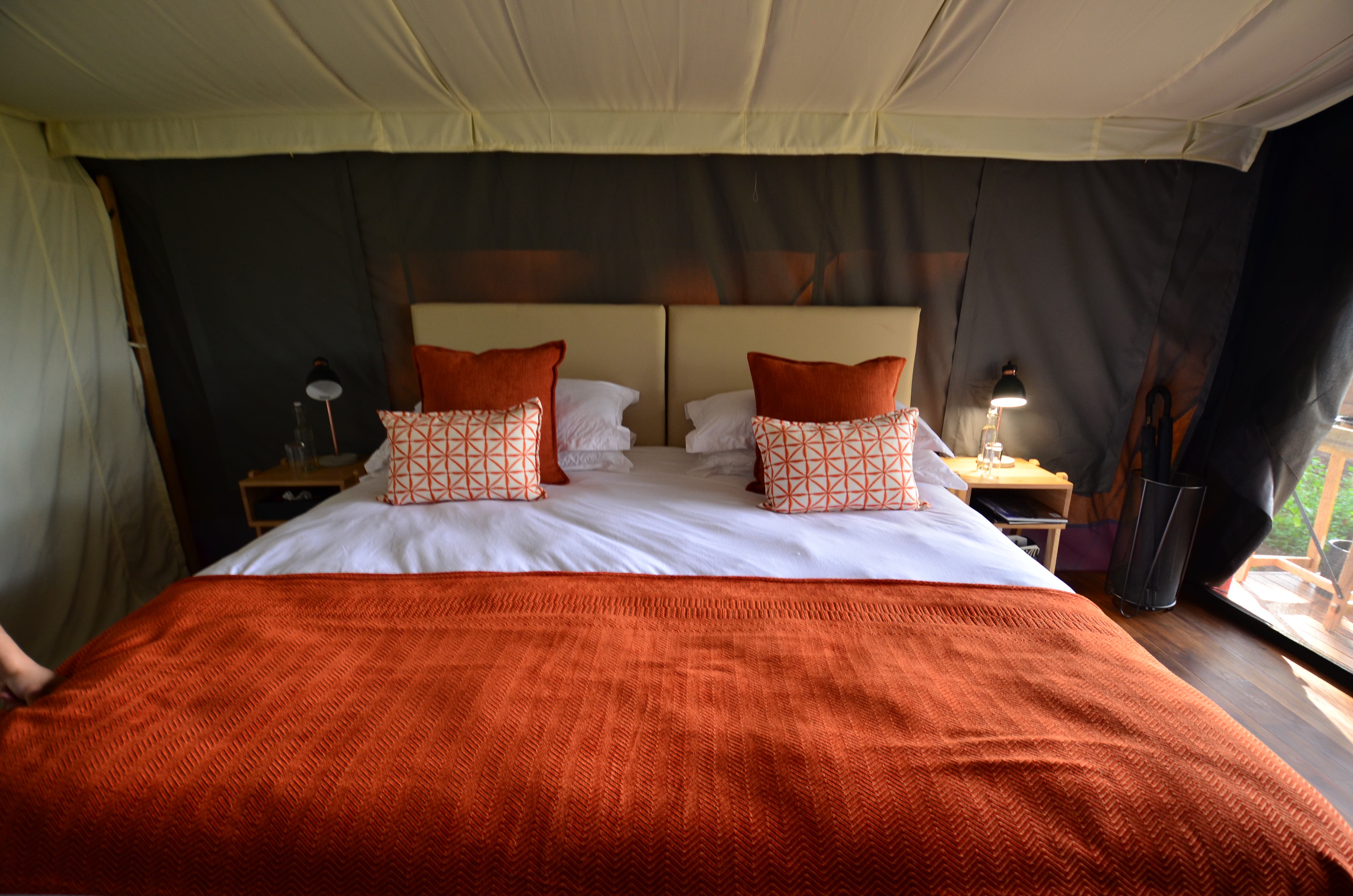
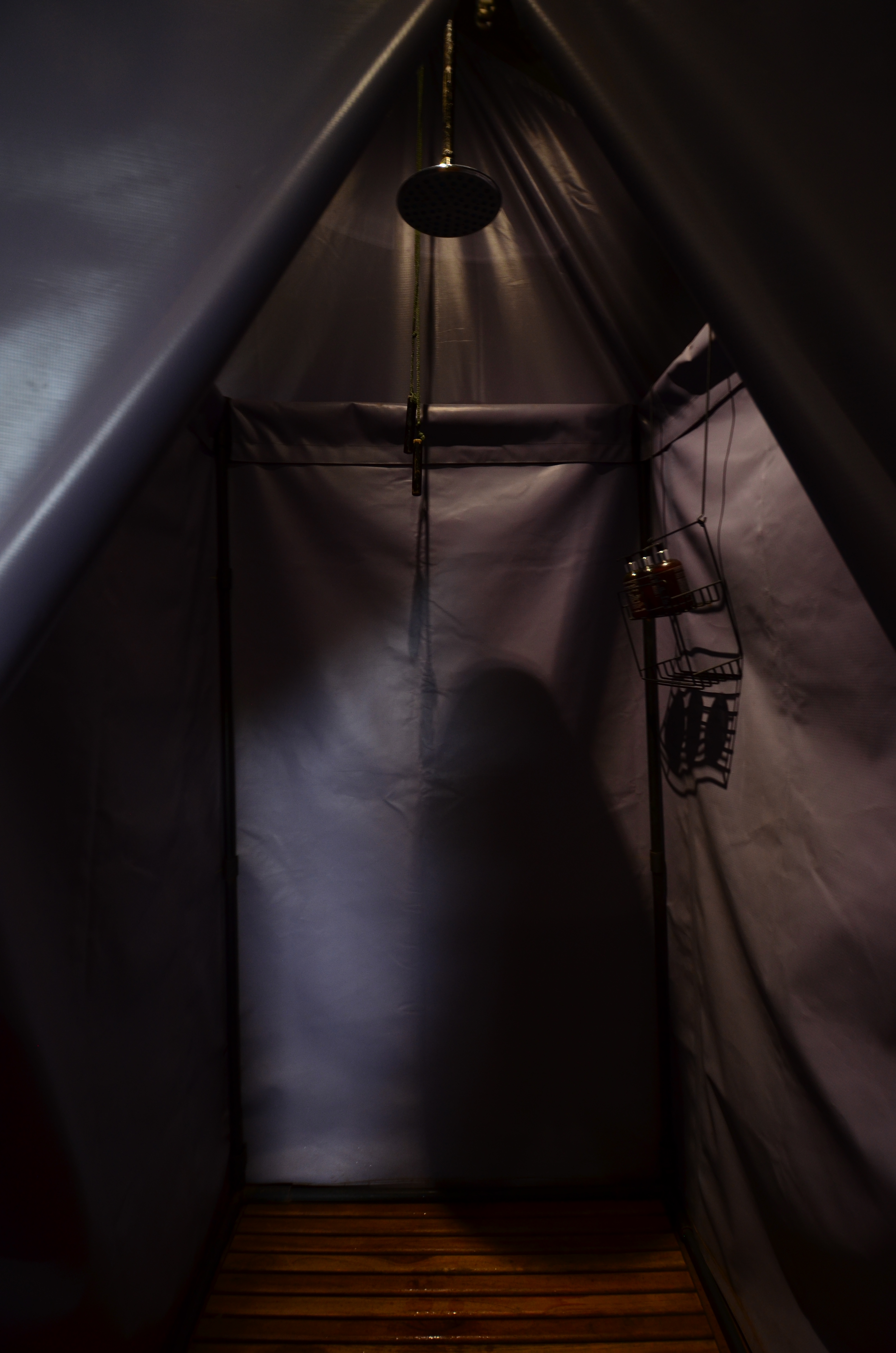
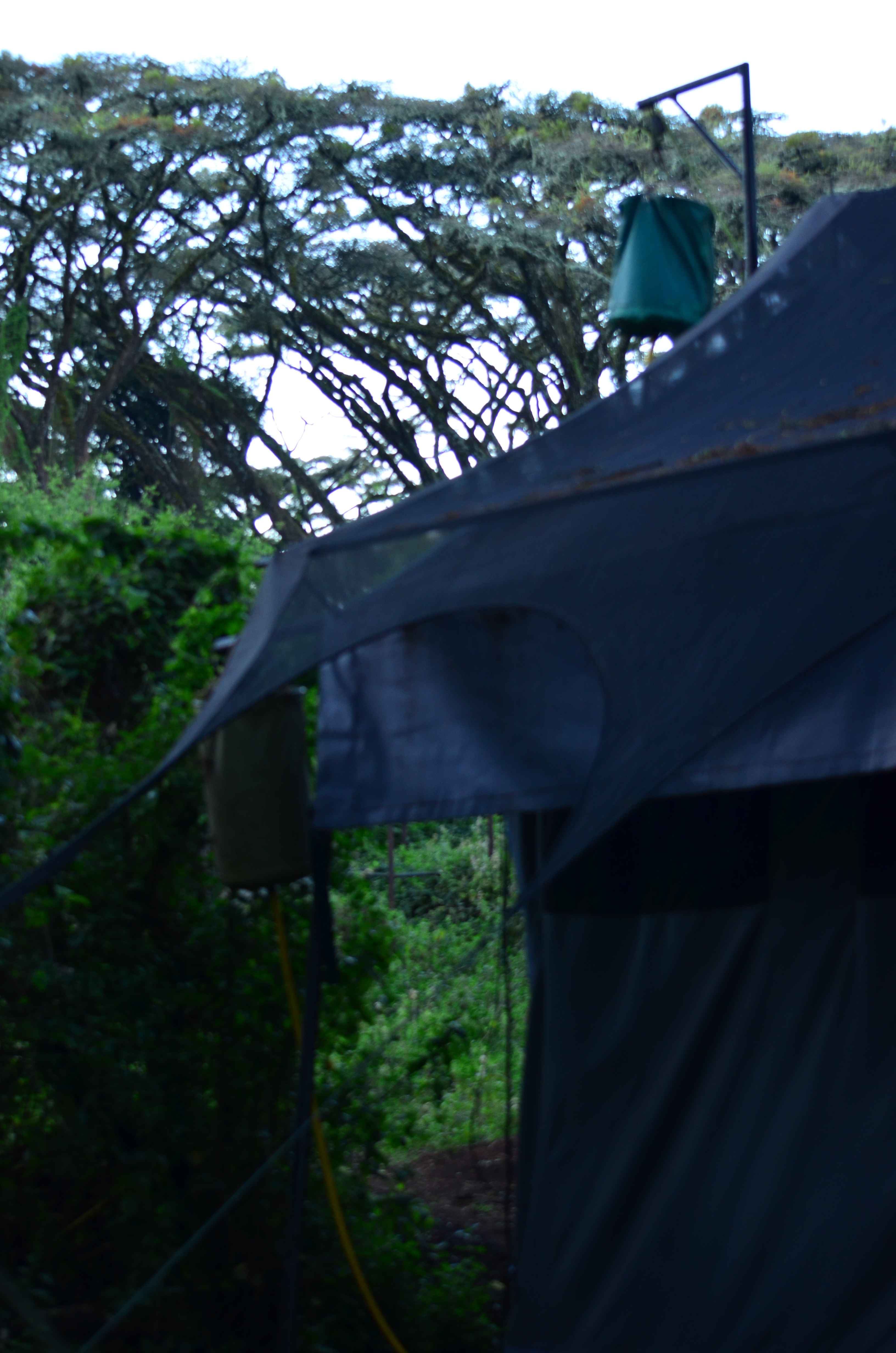
The most interesting part of the camp is its shower. There is no automatic running water, the shower is a ‘bucket shower’. Your room attendant fills up the bucket with warm water as you’re showering, which means you can’t just take a shower whenever, you need to make an ‘appointment’ for a shower.
The evening was spent chatting with Petro learning about Tanzanian culture and sipping on Amarula, my favorite African drink ever since I was introduced to it last year in Botswana.
Again, the camp only had 3 sets of travelers, and one group was set to check out the following morning with no one due to check in.
 Africa 2018